



PAR4
Protease-activated receptor 4 (PAR4/F2RL3) functions as a thrombin-responsive platelet receptor that supports hemostasis and thrombosis through platelet activation[1]. Mechanistically, PAR4 signaling contributes to calcium mobilization, dense granule secretion, P-selectin expression, platelet aggregation, and platelet-leukocyte interactions[2][3]. In thrombosis models, PAR4 is required for platelet thrombus propagation but not for the initial platelet deposition after vascular injury[2]. Compared with PAR1, PAR4 requires higher thrombin concentrations for proteolysis and produces more sustained platelet activation, making PAR4 a distinct late-phase thrombin receptor[4]. This isoform distinction supports research designs that separate early PAR1-driven platelet responses from later PAR4-dependent thrombus growth[2][4]. For experimental applications, PAR4 agonist peptides and selective antagonists such as BMS-986120 enable targeted analysis of PAR4-dependent platelet activation, high-shear thrombus formation, and antithrombotic efficacy with limited bleeding signals in reported models[5][6].
Verweise:
- [1]. Sambrano GR, et al. Role of thrombin signalling in platelets in haemostasis and thrombosis. Nature. 2001 Sep 6;413(6851):74-8. [Content Brief]
- [2]. Vandendries ER, et al. Par4 is required for platelet thrombus propagation but not fibrin generation in a mouse model of thrombosis. Proc Natl Acad Sci U S A. 2007 Jan 2;104(1):288-92. [Content Brief]
- [3]. Rigg RA, et al. Protease-activated receptor 4 activity promotes platelet granule release and platelet-leukocyte interactions. Platelets. 2019;30(1):126-135. [Content Brief]
- [4]. Han X, et al. PAR4 (Protease-Activated Receptor 4): PARticularly Important 4 Antiplatelet Therapy. Arterioscler Thromb Vasc Biol. 2018 Feb;38(2):287-289. [Content Brief]
- [5]. Wilson SJ, et al. PAR4 (Protease-Activated Receptor 4) Antagonism With BMS-986120 Inhibits Human Ex Vivo Thrombus Formation. Arterioscler Thromb Vasc Biol. 2018 Feb;38(2):448-456. [Content Brief]
- [6]. Wilson SJ, et al. PAR4 (protease-activated receptor 4) antagonism with BMS-986120 inhibits human ex vivo thrombus formation. Arterioscler Thromb Vasc Biol. 2017;37(3):448-56. [Content Brief]
-
PAR4 Verwandte Produkte (19)
Verwandte Produkte (19)

- 1
-
Trypsin
 0 ImagesTrypsin is a serine protease enzyme, and hydrolyzes proteins at the carboxyl side of the Lysine or Arginine. Trypsin activates PAR2 and PAR4. Trypsin induces cell-to-cell membrane fusion in PDCoV infection by the interaction of S glycoprotein of PDCoV and pAPN. Trypsin also promotes cell proliferation and differentiation. Trypsin can be used in the research of wound healing and neurogenic inflammation.
-
Trypsin (MS grade)
 0 ImagesArt. -Nr.: HY-129047ACAS. Nr.: 9002-07-7Trypsin MS grade is a serine protease enzyme, and hydrolyzes proteins at the carboxyl side of the Lysine or Arginine. Trypsin MS grade activates PAR2 and PAR4. Trypsin MS grade induces cell-to-cell membrane fusion in PDCoV infection by the interaction of S glycoprotein of PDCoV and pAPN. Trypsin MS grade also promotes cell proliferation and differentiation. Trypsin MS grade can be used in the research of wound healing and neurogenic inflammation.
-
BMS-986120
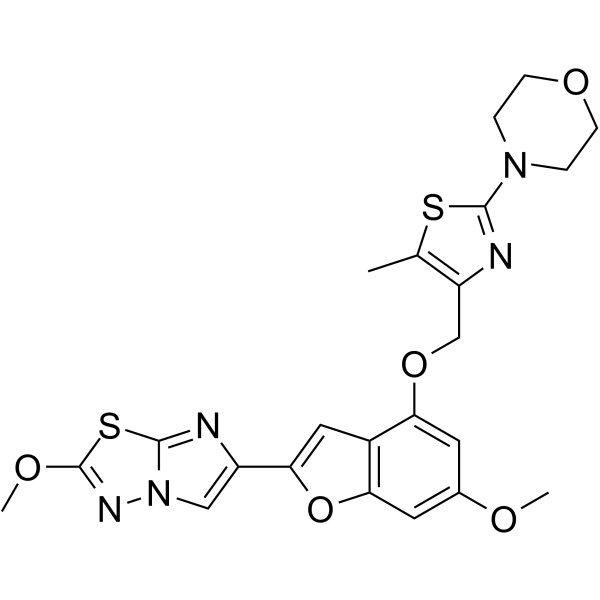 0 ImagesBMS-986120 is a first-in-class oral and reversible protease-activated receptor 4 (PAR4) antagonist, with IC50s of 9.5 nM and 2.1 nM in human and monkey blood, respectively. BMS-986120 has potent and selective antiplatelet effects.
-
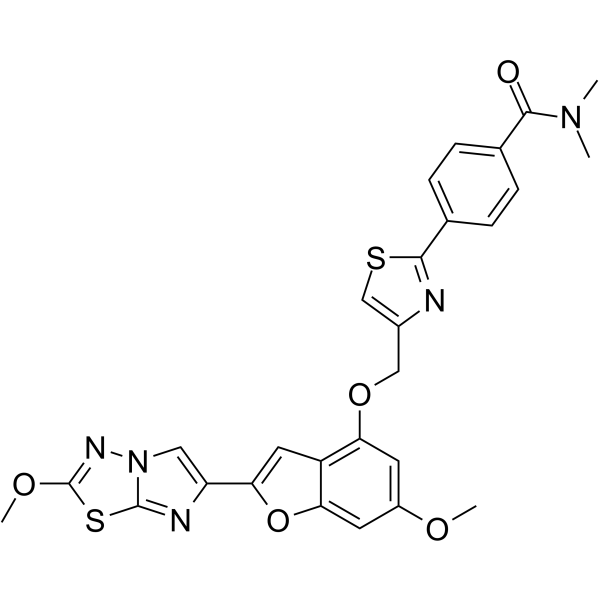
PAR4 antagonist 9
 0 ImagesArt. -Nr.: HY-183983CAS. Nr.: 2173066-25-4PAR4 antagonist 9 is an orally active protease-activated receptor 4 (PAR4) antagonist with an IC50 of 2 nM against human targets. PAR4 antagonist 9 functionally modulates PAR4 and inhibits platelet aggregation. PAR4 antagonist 9 can be used in studies related to arterial thrombosis.
-
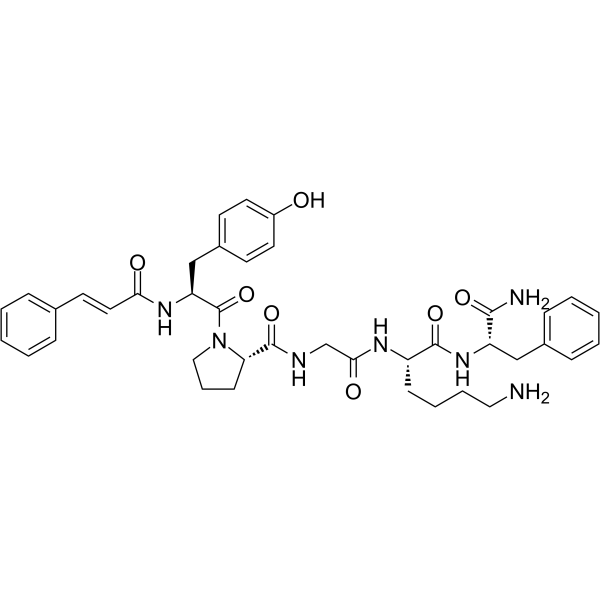
Protease-Activated Receptor-4
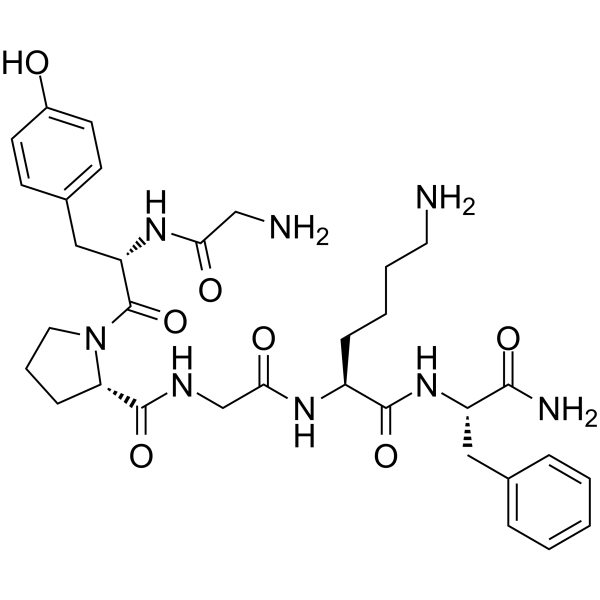 0 ImagesArt. -Nr.: HY-P0297CAS. Nr.: 245443-52-1Protease-Activated Receptor-4 is the agonist of proteinase-activated receptor-4 (PAR4).
-
ML354
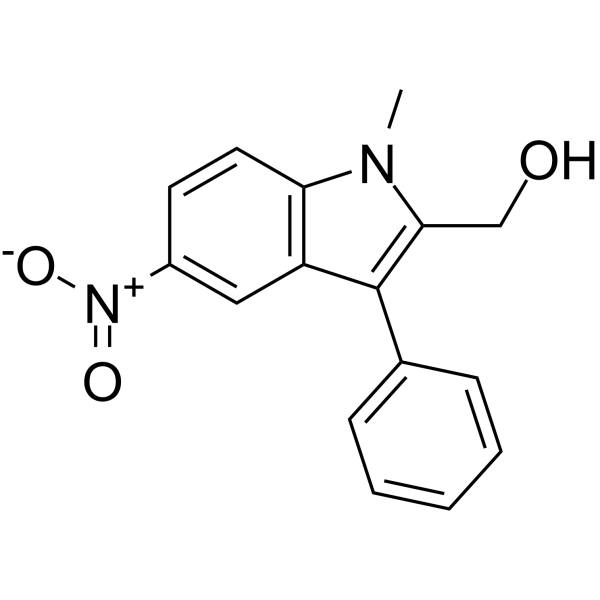 0 ImagesSynonyms: VU0099704ML354 is a selective PAR4 antagonist with an IC50 of 140 nM.
-
Cathepsin G
 0 ImagesArt. -Nr.: HY-P3012CAS. Nr.: 107200-92-0Cathepsin G is a pH-dependent serine protease. Cathepsin G hydrolyzes diverse synthetic and protein substrates and remodels extracellular matrix. Cathepsin G exerts immunomodulatory effects via recruiting phagocytes, enhancing T cell motility, activating ERK1/2 and p38 MAPK signaling, and mediating PKCζ membrane translocation. Cathepsin G regulates inflammatory responses by cleaving inflammatory mediators. Cathepsin G participates in vascular regulation by converting angiotensin I to angiotensin II. Cathepsin G induces PAR4-dependent platelet activation, facilitates platelet-neutrophil aggregation, and mediates VITT-related NETosis, thrombus formation. Cathepsin G can be used for the research of immune thrombotic thrombocytopenia, cardiovascular disease, and select autoimmune and inflammatory diseases.
-
PAR4 antagonist 6
 0 ImagesArt. -Nr.: HY-159632Reinheit: 99.35%PAR4 antagonist 6 (Compound 12) is a PAR4 antagonist, with IC50 values of 134 and 401 nM for hPAR4 (PAC1) and mPAR4 (PAC1), respectively.
-
PAR4 antagonist 5
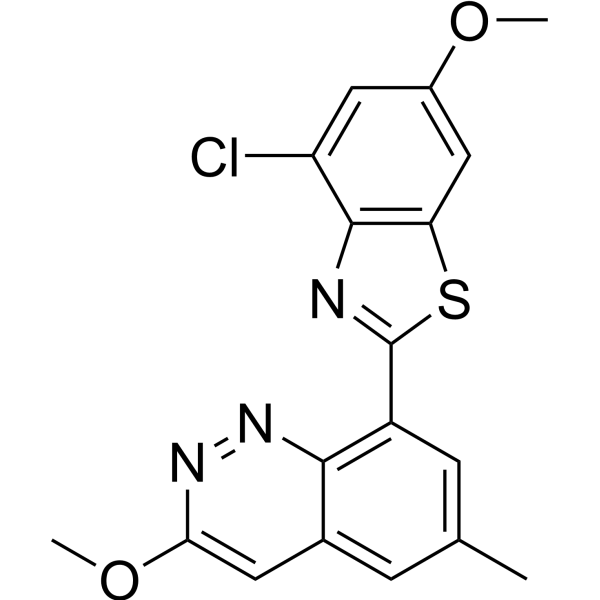 0 ImagesArt. -Nr.: HY-163504CAS. Nr.: 3024653-17-3PAR4 antagonist 5 (compound 1) is a PAR4 antagonist with an IC50 less than 20 μM and potent anti-platelet aggregation activity. PAR4 antagonist 5 can be used for research of thrombosis disease .
-
PAR4 antagonist 4
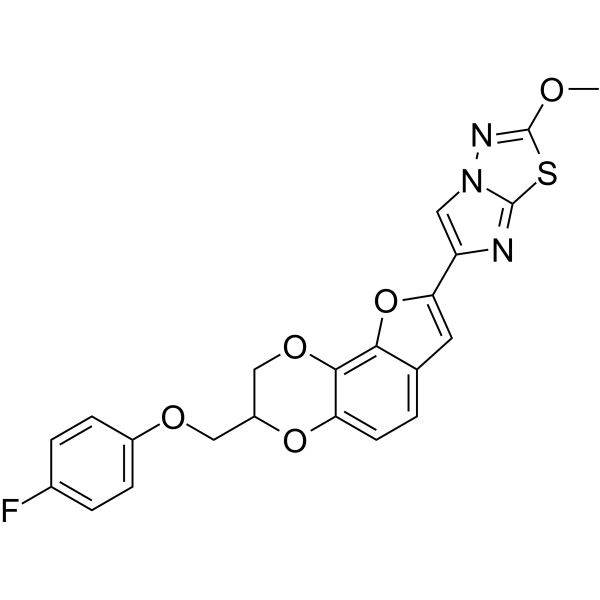 0 ImagesArt. -Nr.: HY-162409CAS. Nr.: 3057206-41-1PAR4 antagonist 4 (Compound 37) is a selective antagonist for protease activated receptor 4 (PAR4). PAR4 antagonist 3 exhibits antiplatelet efficacy with IC50 of 14.2 nM. PAR4 antagonist 3 improves metabolic stablility in human liver microsomes with T1/2 of 42.5 min.
-
PAR4 antagonist 2
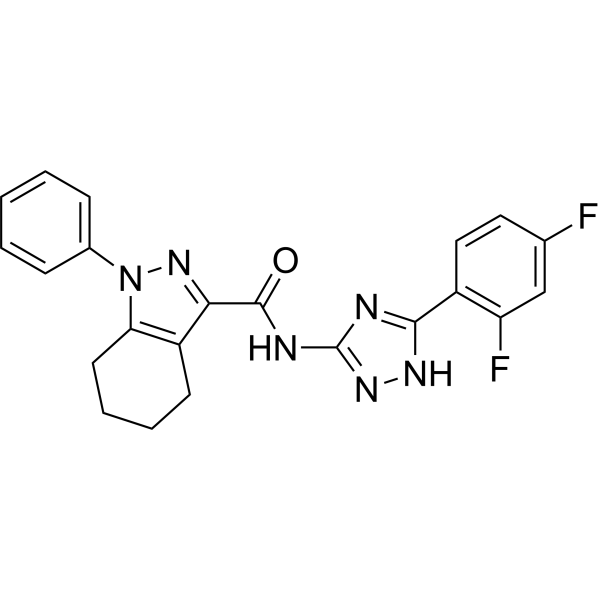 0 ImagesArt. -Nr.: HY-161401PAR4 antagonist 2 (Compound 31) is a protease activated receptor 4 (PAR4) antagonist, with IC50 values of 95 nM and 367 nM for human PAR4 and mouse PAR4. PAR4 antagonist 2 is active against PAR4 activation by the native protease thrombin cleavage but not the synthetic PAR4 agonist peptide AYPGKF.
-
PAR4 antagonist 1
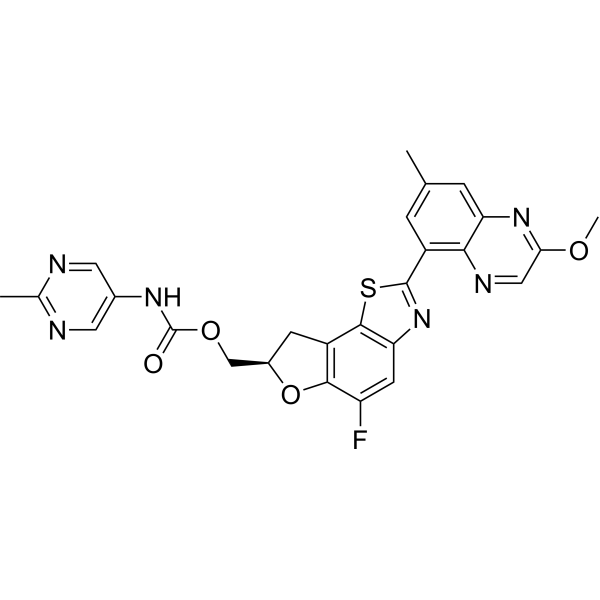 0 ImagesArt. -Nr.: HY-163341CAS. Nr.: 2173201-65-3PAR4 antagonist 1 (Compound 48) is a protease activated receptor 4 (PAR4) antagonist with an IC50 of 1.8 nM. PAR4 antagonist 1 has an IC50 of 2 nM against γ-thrombin-activated PAR4 in platelet-rich plasma (PRP). PAR4 antagonist 1 can be used in antithrombotic research.
-
PAR4 antagonist 3
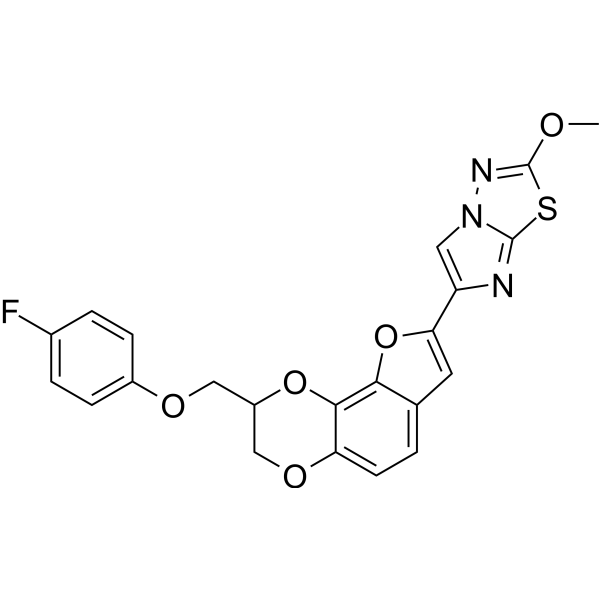 0 ImagesArt. -Nr.: HY-162408CAS. Nr.: 3057206-40-0PAR4 antagonist 3 (Compound 36) is a selective antagonist for protease activated receptor 4 (PAR4). PAR4 antagonist 3 exhibits antiplatelet efficacy with IC50 of 26.1 nM. PAR4 antagonist 3 improves metabolic stablility in human liver microsomes with T1/2 of 97.6 min.
-
P4pal10
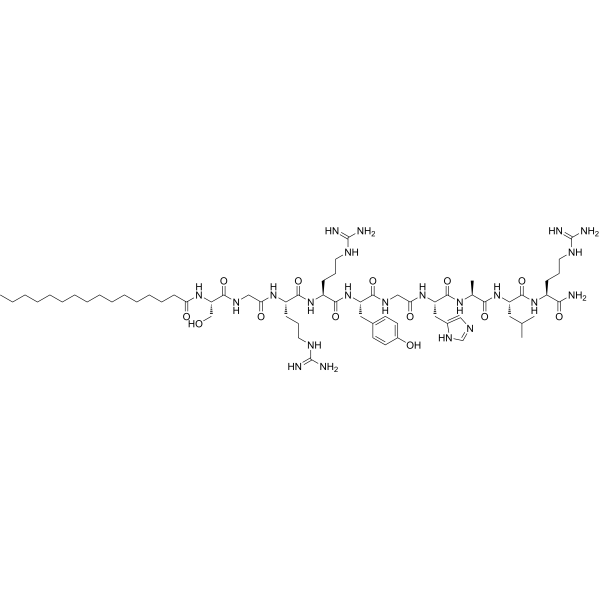 0 ImagesArt. -Nr.: HY-P5875CAS. Nr.: 1021346-05-3P4pal10 is an antagonist for protease-activated receptor 4 (PAR4). P4pal10 inhibits the platelet aggregation, inhibits tissue factor (TF)-induced thrombin generation, and exhibits anticoagulant and antithrombotic activities. P4pal10 reduces the oedema and the granulocyte infiltration induced by Carrageenan (HY-125474). P4pal10 ameliorates the injury in mice myocardial ischemia/reperfusion (I/R) models.
-
UDM-001651
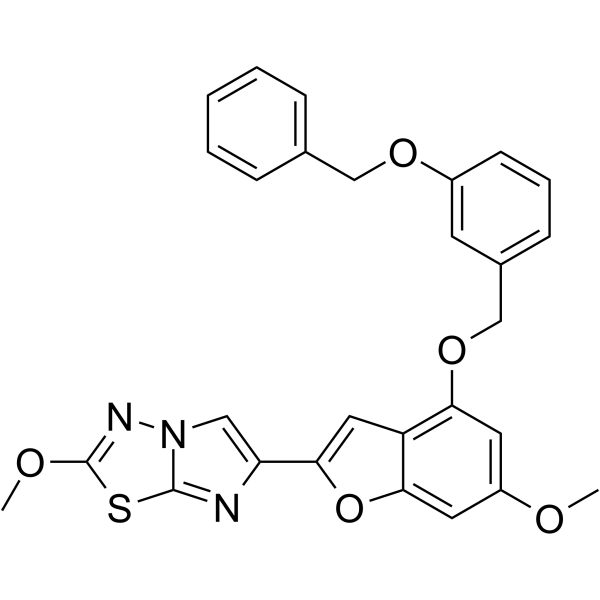 0 ImagesArt. -Nr.: HY-128345CAS. Nr.: 1477497-01-0UDM-001651 is a potent, selective, and orally bioavailable protease-activated receptor 4 (PAR4) antagonist (IC50=4 nM; Kd=1.4 nM). UDM-001651 shows antiplatelet potency (IC50=25 nM) in a γ-thrombin-induced platelet-rich plasma aggregation assay (γ-Thr PRP).
-
7,4'-Dimethoxy-3-hydroxyflavone
 0 ImagesArt. -Nr.: HY-174829CAS. Nr.: 13198-99-77,4'-Dimethoxy-3-hydroxyflavone is an orally active PAR4 antagonist. 7,4'-Dimethoxy-3-hydroxyflavone inhibits PAR4-mediated human platelet aggregation with an IC50 of 1.4 μM. 7,4'-Dimethoxy-3-hydroxyflavone inhibits PAR4-mediated human platelet aggregation and PAR4 signaling pathways, including NF-κB, Ca2+/protein kinase C, Akt, ERK and p38. 7,4'-Dimethoxy-3-hydroxyflavone prevents vascular PAR4 expression, endothelial dysfunction and ameliorates oxidative stress in Streptozotocin (STZ) (HY-13753)-induced diabetic mice. 7,4'-Dimethoxy-3-hydroxyflavone prevents thrombosis in mice without affecting bleeding time[1][2].
- 1



